Discover the of Nosy Be
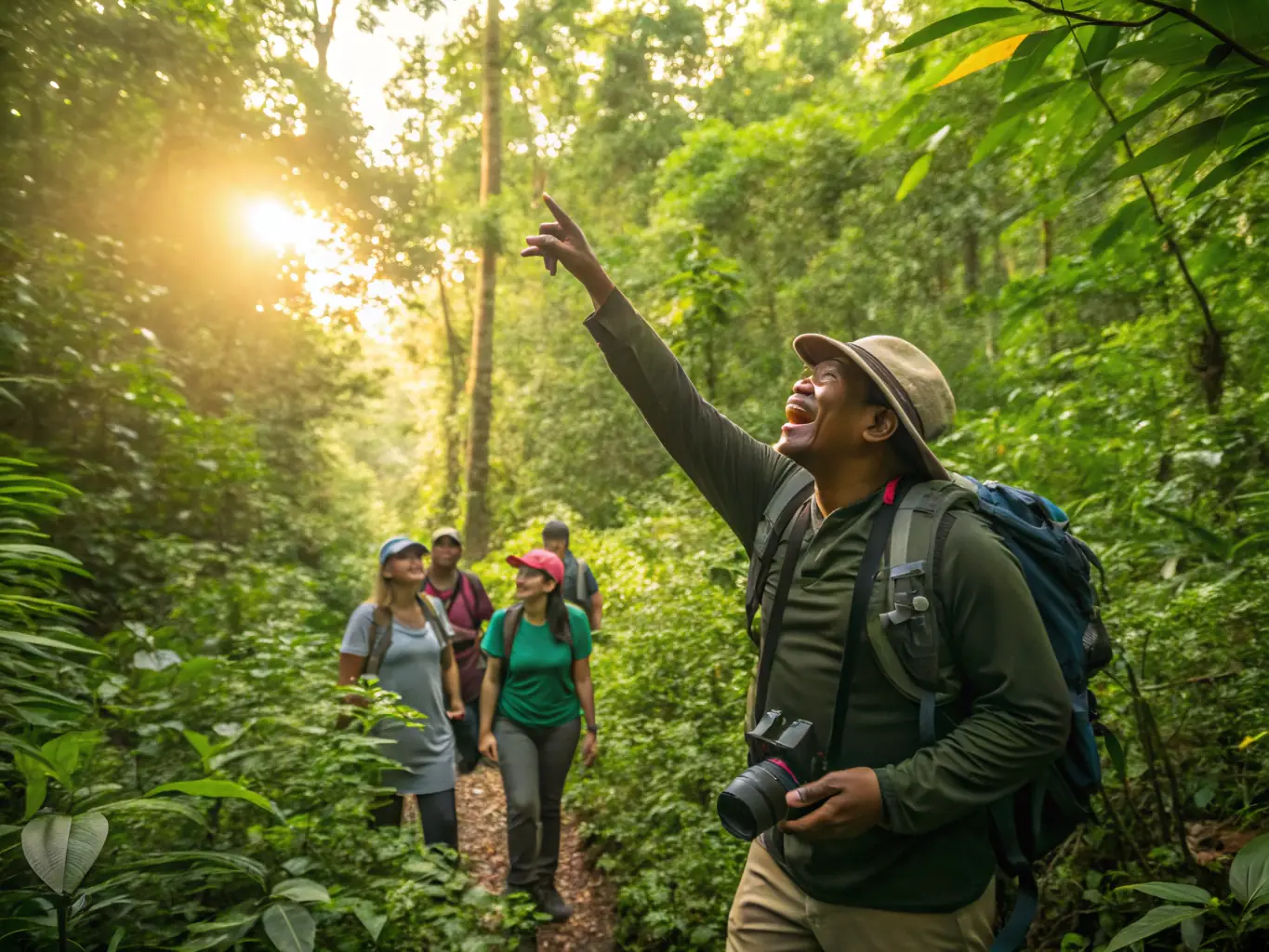
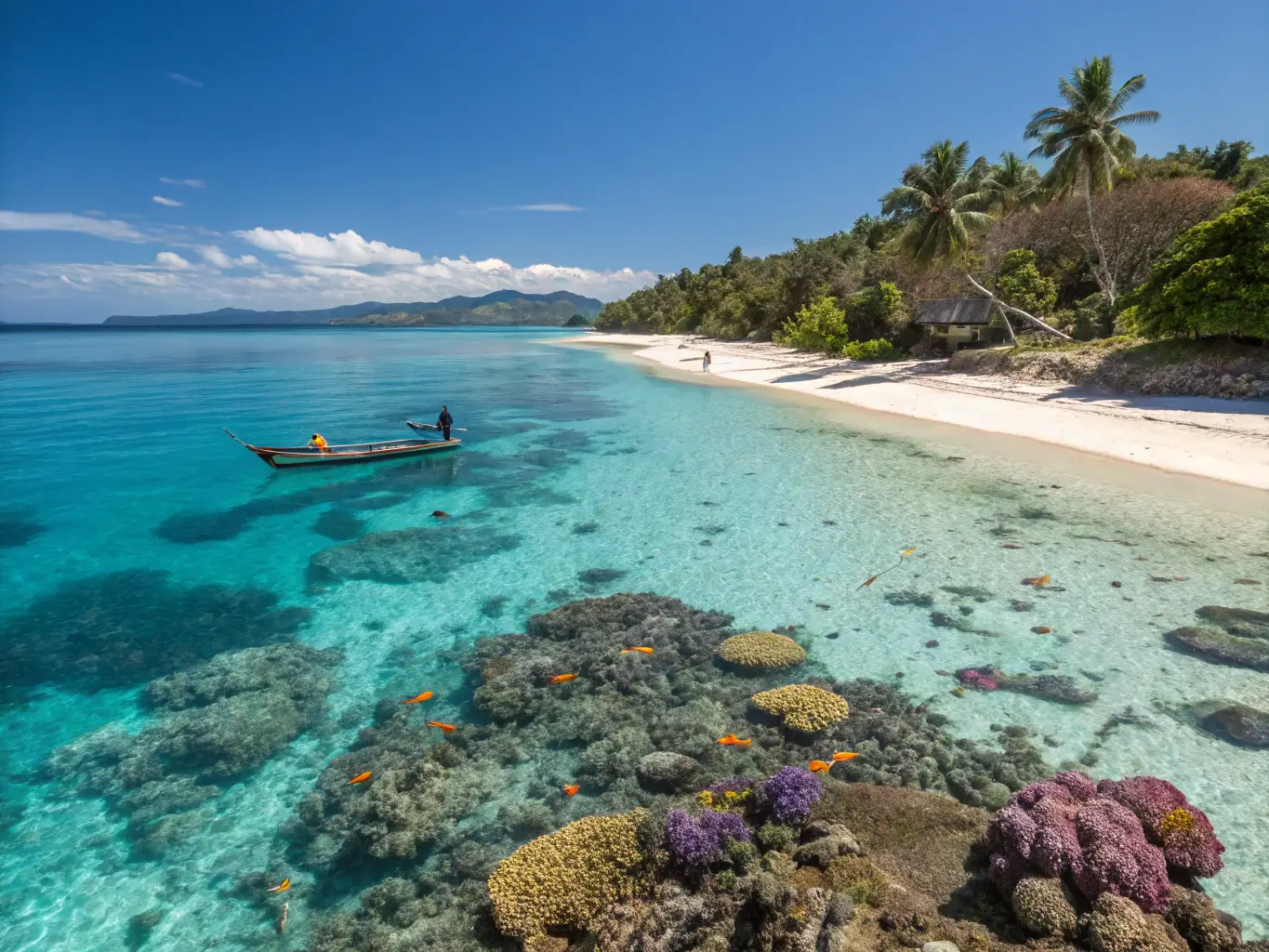
Welcome to Nosy Be Travel, your trusted local guide to Madagascar’s most enchanting island. For over twenty years, our team of Nosy Be born and raised guides has been sharing the secrets of this volcanic paradise with travelers from around the world, from hidden coves only reachable by traditional boat to the emerald canopy of Lokobe rainforest where lemurs leap between branches at dawn. We are more than a booking agency: we are storytellers, conservationists, and neighbors who want you to fall in love with Nosy Be the way we have. Whether you are dreaming of snorkeling above coral gardens in the Nosy Be archipelago, sailing past the granite peaks of Ankarana, or sipping fresh ylang-ylang scented air on a plantation tour, our curated experiences are designed around what genuinely makes Northern Madagascar special, not what looks good in a brochure. Every itinerary blends adventure with comfort, culture with nature, and discovery with respect for the communities and ecosystems that make this island irreplaceable. Let us guide you to the heart of this incredible island, one unforgettable memory at a time.
Discover the Unique Beauty of Madagascar's Northern Regions
Nosy Be: The Perfume Island
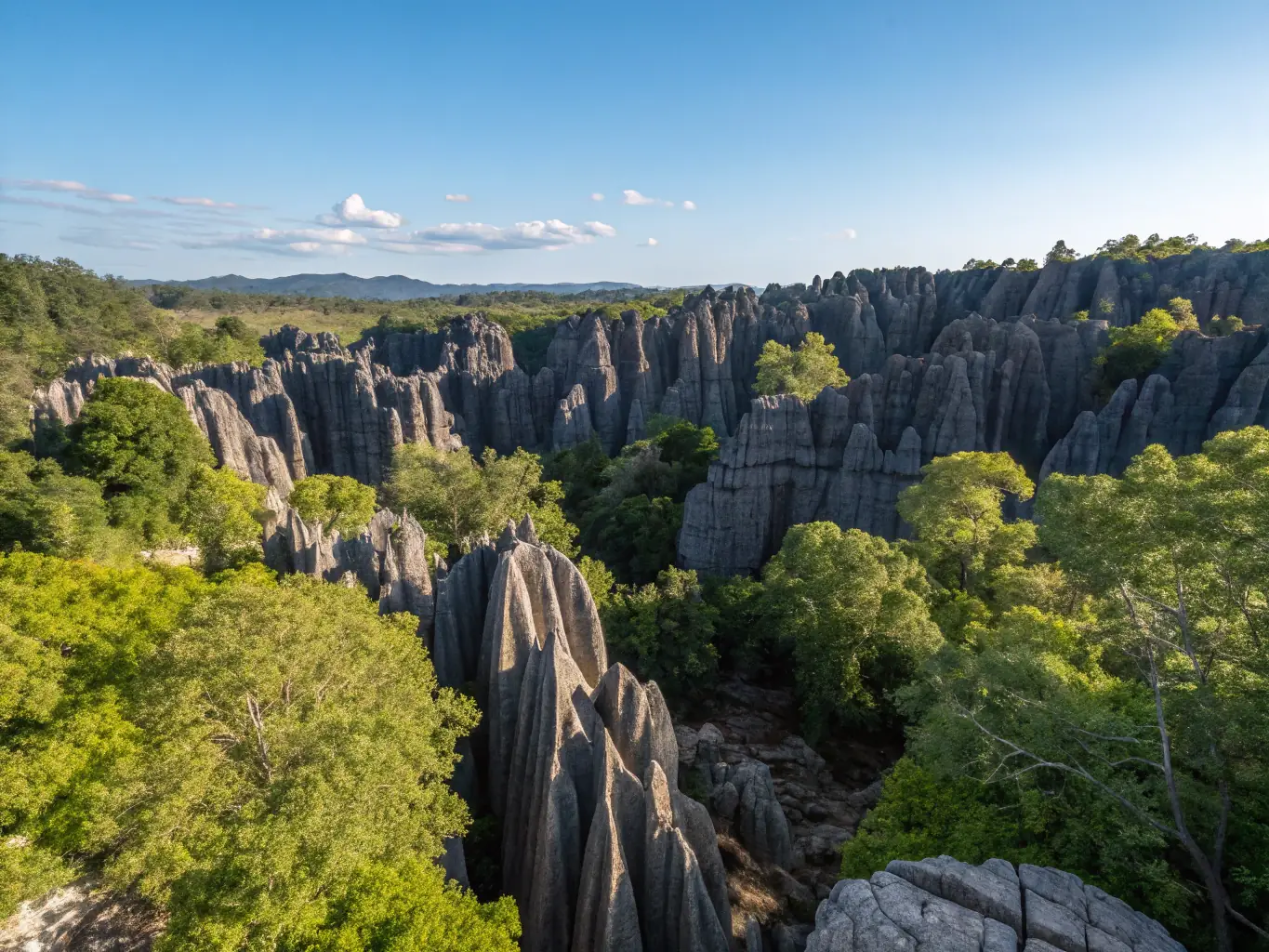
Ankarana: Tsingy Adventure
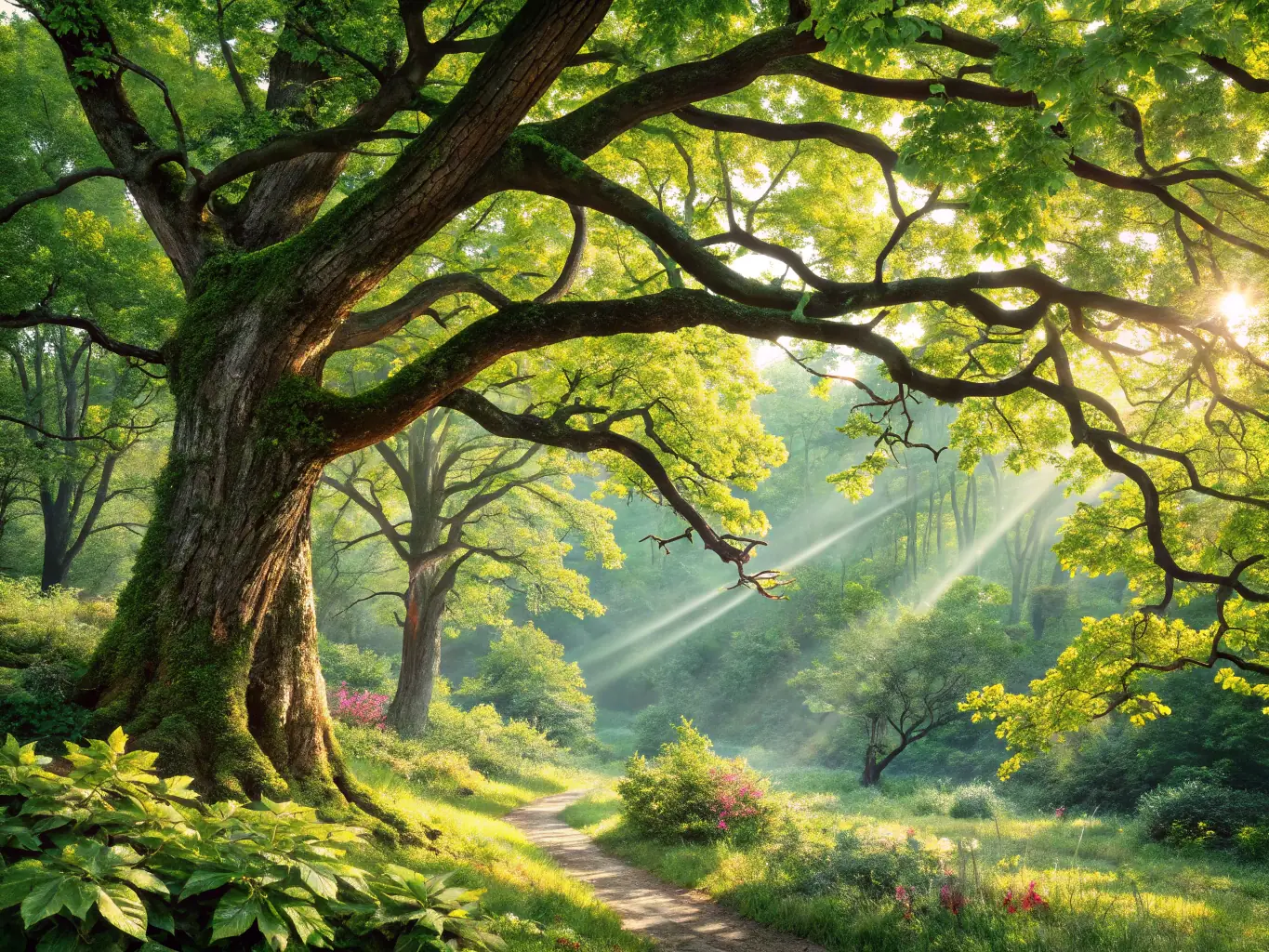
Marojejy: Pristine Rainforest
Why Nosy Be Travel is Your Best Choice for Madagascar Adventures
Real-Time Booking Convenience
Curated Tour Selection
Multilingual Support Team
- Pack light and pack smart: Bring breathable, versatile clothing, a reef-safe sunscreen, a light rain jacket for the wet season, and sturdy sandals for boat landings.
- Stay hydrated and sun-safe: The equatorial sun is strong year-round, so drink plenty of bottled or filtered water and wear a wide-brimmed hat during excursions.
- Learn a few Malagasy and French phrases: A simple “Manao ahoana” (hello) or “Misaotra” (thank you) goes a long way in building warm connections with local hosts.
- Respect local customs and “fady”: Many sites in Madagascar carry sacred taboos known as fady; our guides will always explain local etiquette before you visit villages or natural sites.
- Plan ahead, especially in high season: Book accommodations, transfers, and popular tours like Lokobe or Mont Passot well in advance between June and September.
- Carry small denominations of Ariary: Many local vendors, taxi-brousses, and small restaurants cannot break large bills, so keep smaller notes handy for daily spending.
- Protect the marine environment: Avoid touching coral or marine life while snorkeling and always choose reef-safe sunscreen to help preserve Nosy Be’s reefs for future travelers.
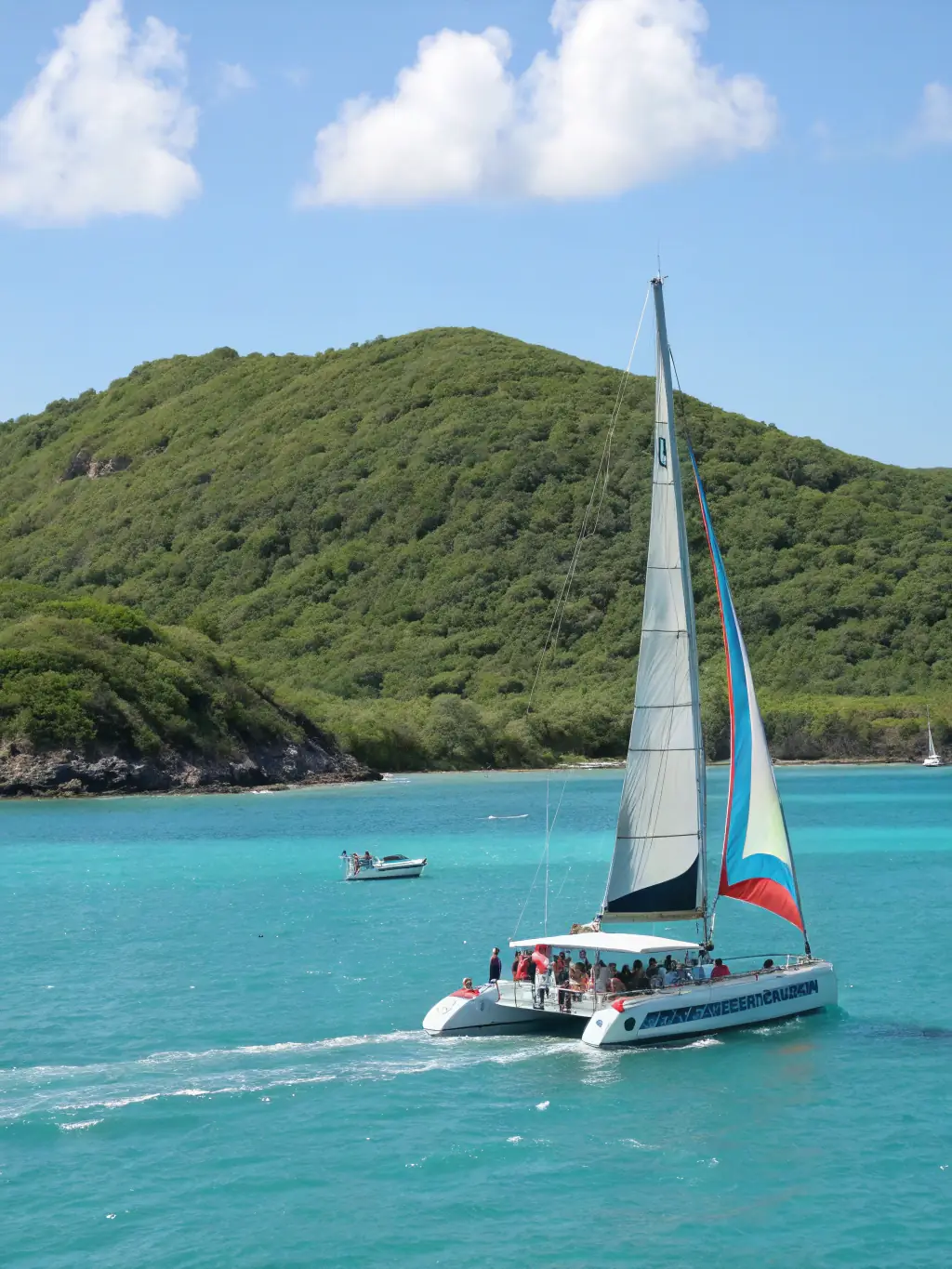
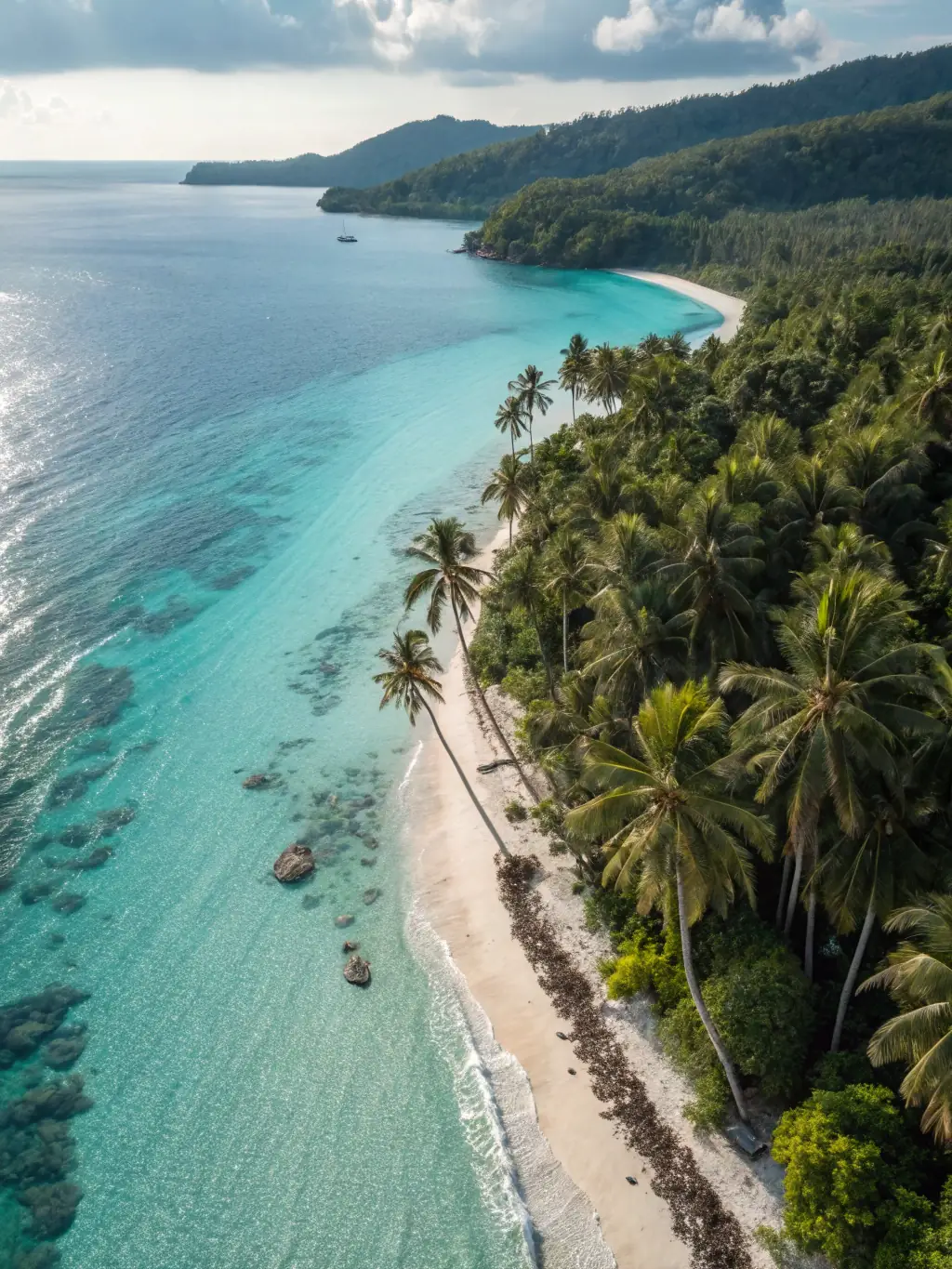
Nosy Be: Madagascar’s original “Perfumed Island” pairs powder-white beaches at Andilana and Ambatoloaka with a lively evening scene, ylang-ylang plantations, and easy boat access to the Nosy Be archipelago’s smaller islets.
Ankarana National Park: A dramatic limestone plateau famous for its razor-sharp tsingy pinnacles, deep canyons, and a network of caves that shelter bats, crocodiles, and rare species found nowhere else on Earth.
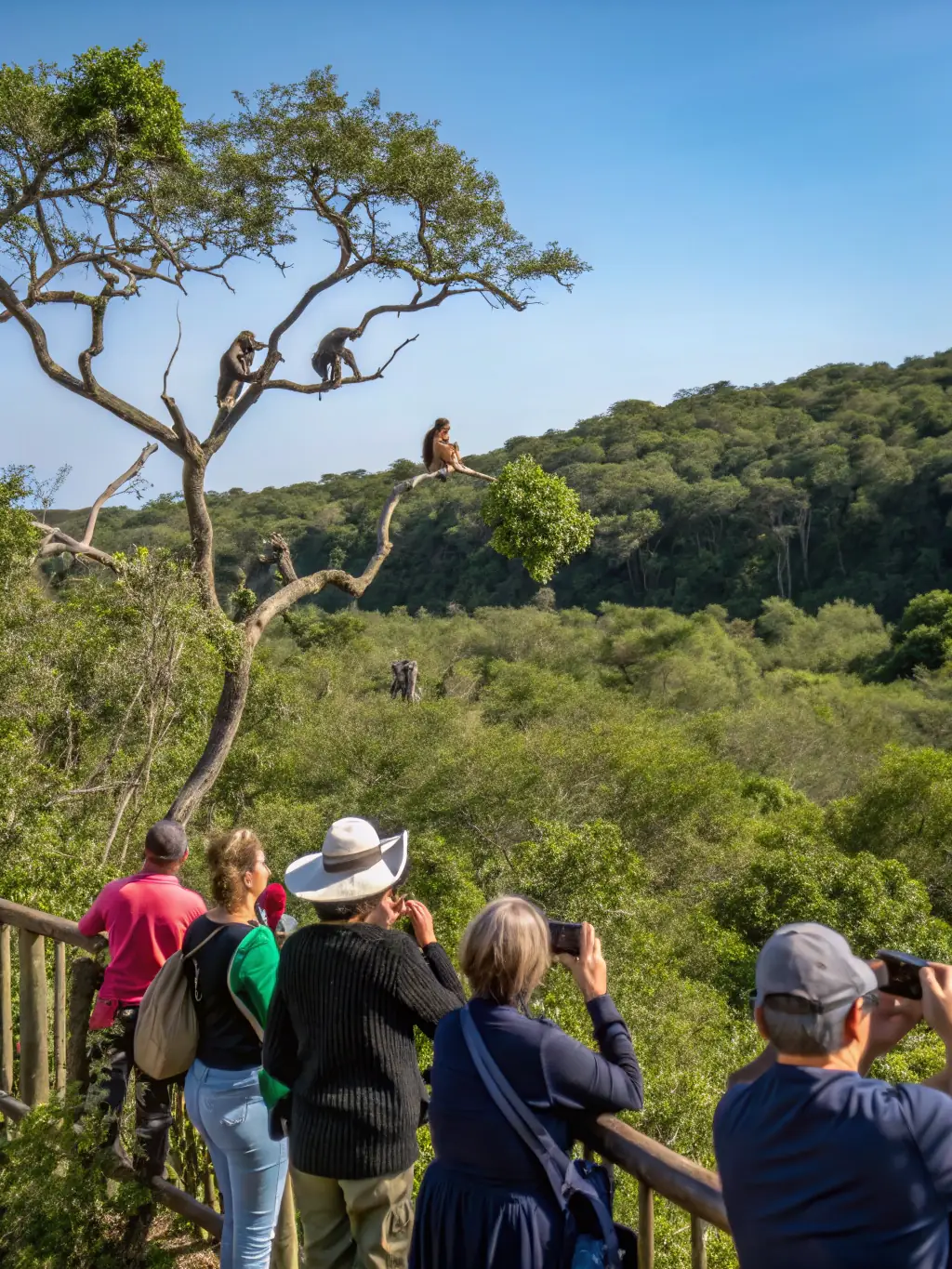
Marojejy National Park: A steep, cloud-wrapped rainforest massif and UNESCO World Heritage Site, home to the striking silky sifaka lemur and some of the richest untouched biodiversity in Madagascar.
Montagne d’Ambre National Park: A cool volcanic highland of waterfalls, crater lakes, and mossy forest trails, ideal for spotting chameleons, birds, and lemurs just a short drive from Diego Suarez.
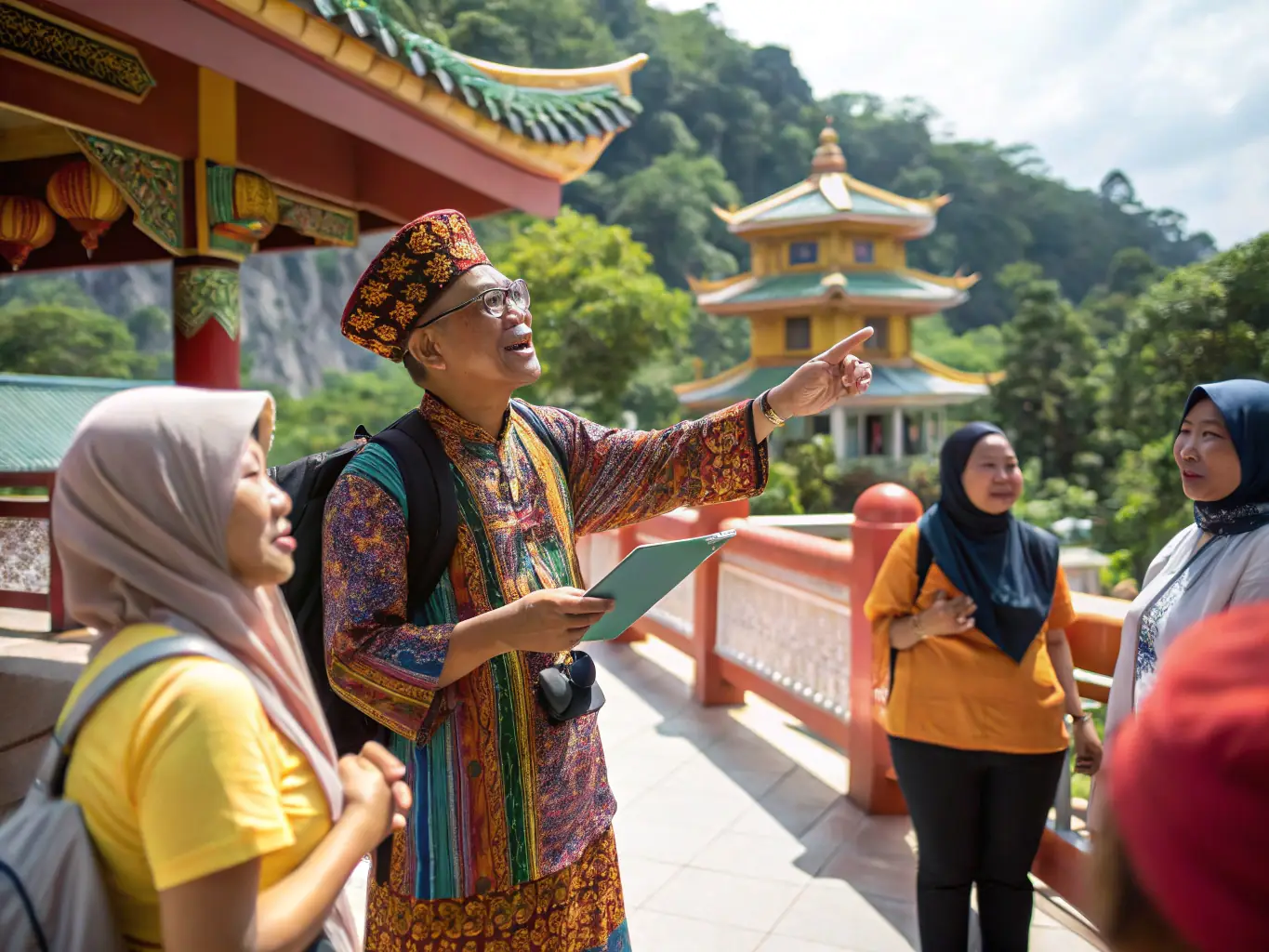
Malagasy Culture: Madagascar’s culture is a unique blend of Southeast Asian, African, and Arab influences, expressed through the Sakalava and Antakarana traditions that shape daily life in the Nosy Be region.
Local Cuisine: Savor Romazava (a beef and leafy-greens stew), Ravitoto (pork with cassava leaves), and freshly grilled seafood, often flavored with local vanilla, pepper, and clove.
Music and Dance: Experience the hypnotic rhythms of the Salegy, Madagascar’s national dance beat, alongside traditional Vakodrazana music played on valiha and marovany instruments.
Handicrafts: Bring home hand-carved rosewood sculptures, woven raffia baskets, embroidered textiles, and semi-precious stone jewelry crafted by local artisans.
Sacred Traditions: Many communities honor ancestral customs known as “fady,” including respect for sacred baobab trees and tomb sites; our guides help you engage with these traditions respectfully.